

Office Design for Multi Generational Teams Supporting Different Work Styles Under One Roof
June 25, 2026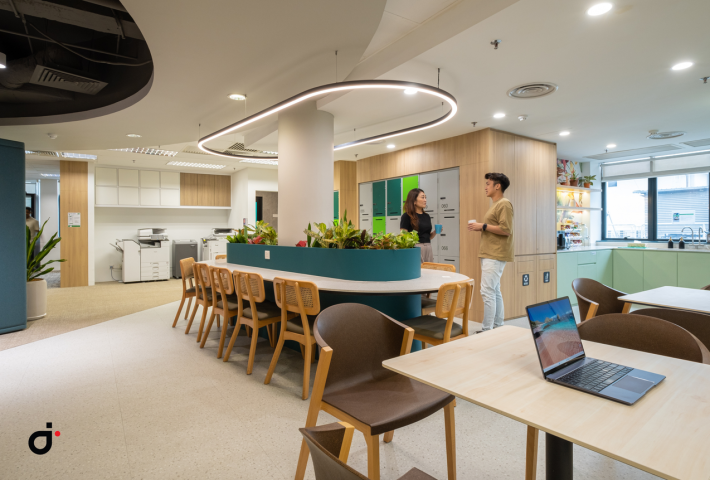
Many organizations now have employees from multiple age groups working together. It is common to find baby boomers, Generation X, millennials, and younger generations sharing the same office while supplying distinct skills, experiences, and perspectives.
While this creates chances for innovation and knowledge sharing, it also brings complex challenges for workplace design. Different generations display distinct working styles, communication preferences, technology expectations, and work-life balance priorities. Consequently, office design cannot rely on a universal approach.
Today’s offices must enable a multigenerational workforce by building spaces that drive collaboration, focus, staff well-being, and multiple needs. A carefully planned office environment can help each generation be appreciated while fostering a robust workplace culture.
With these conditions in mind, this article analyzes how office design for multi-generational teams can support diverse work styles under one roof while establishing environments where people can collaborate effortlessly and prosper together.
Understanding the Multi-Generational Workplace
Employees from different generations may have varied workplace experiences and expectations.
Baby boomers often value structure, face-to-face communication, and dedicated work settings that support concentration. Younger employees and workers may prefer flexible environments, hybrid work arrangements, collaborative spaces, and digital tools that enable them to work efficiently from multiple locations.
Importantly, these generational differences do not necessarily create conflict; instead, they can become a competitive advantage when organizations create workplaces that support varied viewpoints and encourage dynamic teamwork.
The goal of inclusive office design is not to favor one generation over another. Instead, it is to build environments in which every employee can perform at their best, regardless of age, experience, or preferred work style.
Why Office Design Matters More Than Ever
Workplace design shapes employee satisfaction, productivity, and engagement.
Research regularly shows that the work environment has a direct positive impact on mental and physical health, workplace experience, and overall performance. Employees who feel comfortable in their surroundings are more likely to continue engaged and contribute productively to the organization’s mission.
Moreover, a carefully designed office environment can support wellness, improve communication, and help teams navigate common challenges associated with a diverse workforce.
As organizations continue to adapt to hybrid working models, it’s essential that office design evolves to support both collaboration and individual focus.
Developing Spaces for Different Working Styles
One of the biggest challenges in designing environments for a multigenerational workforce is supporting different working styles.
Some employees perform best in collaborative zones where ideas may be discussed freely. Others require silent focus areas to complete complex tasks without interruption.
Effective office design offers a range of spaces to support different work styles within the same workplace.
These spaces may include:
Collaborative Spaces
Collaborative spaces support teamwork, idea generation sessions, project discussions, and cross-generational collaboration.
These areas not only help employees from different generations share knowledge, exchange fresh perspectives, and solve problems together, but also strengthen workplace culture through fostering spontaneous interaction.
Collaborative spaces support creativity and teamwork among younger employees while providing opportunities for older generations to contribute their experience and viewpoints.
Calm Focus Areas
Not all work needs collaboration.
Many employees need calm focus areas for deep, uninterrupted work. Quiet spaces and rooms offer dedicated environments for focused work while curtailing distractions associated with open-office designs.
These areas are important for employees who prefer privacy or need uninterrupted time for tasks demanding concentration.
Including silent focus spaces in the office further demonstrates an understanding of the diverse needs of different generations.
Flexible Spaces
Flexible spaces are becoming increasingly important in modern workplace design.
Rather than assigning every employee a fixed workstation, enterprises can create adaptable areas that support a range of activities throughout the day.
Flexible environments let employees choose work settings that best fit their tasks and preferences. This approach supports hybrid work and increases autonomy and comfort.
Ultimately, by providing multiple workspace options, businesses can better accommodate the changing expectations of both older generations and younger workers.
Designing for Staff Well-Being
Staff well-being is a vital consideration in contemporary office design. A workplace that promotes wellness improves physical and mental health and increases employee satisfaction. To this end, several design elements can greatly improve workplace well-being.
Natural Lighting
Natural lighting remains one of the most efficient methods to improve the workplace experience.
Daylight helps regulate mood, energy, and focus. Employees in naturally lit areas often feel more satisfied and productive.
Optimizing natural lighting should therefore be a priority in the design of modern office spaces.
Ergonomic Furniture and Ergonomic Workstations
Ergonomic furniture has an important role in supporting physical health across all age groups.
Comfortable seating, adjustable desks, and ergonomic workstations reduce strain and boost ease during extended work periods.
These features matter in a multigenerational workplace with varying physical needs.
Investing in ergonomics signals devotion to worker well-being and long-term workplace performance.
Wellness Spaces
Dedicated wellness spaces provide employees with opportunities to recharge throughout the day.
Such areas include relaxation zones, meditation spaces, and quiet retreats that support mental well-being.
As organizations place greater emphasis on work-life balance, wellness spaces increasingly become a valuable component of workplace design strategies.
Supporting Technology Among Generations
Technology expectations often differ greatly between different generations.
Younger generations anticipate seamless digital environments, while older generations may have varying levels of comfort yet still require effective tools.
Smart technology bridges this gap via streamlining workplaces for everyone.
Examples include:
- Smart meeting room booking systems
- Wireless collaboration tools
- Video conferencing technology
- Interactive presentation displays
- Workplace management platforms
However, technology implementation should always be accompanied by appropriate tech support and training to ensure usability across all generations.
Ongoing support helps all employees adapt, assuring no generation feels excluded from innovation.
Encouraging Cross-Generational Collaboration
A successful multi-generational workforce depends on effective collaboration between employees of different age groups.
Office design directly stimulates collaboration and knowledge sharing.
Strategically placed collaborative zones encourage interaction between teams that may not otherwise engage regularly. Informal gathering spaces, shared project areas, and social spaces create opportunities for relationship building and mentorship.
These communications let younger colleagues learn from experience, while older generations acquire new perspectives.
Cross-generational collaboration strengthens organizational capability while promoting a more diverse workplace culture.
Moving Beyond Open Plan Layouts
Open-plan layouts became popular because they were intended to increase communication and collaboration.
Workplace studies reveal that open environments alone cannot support diverse workforce needs.
Excessive noise, lack of privacy, and frequent interruptions can negatively affect focused work and employee satisfaction.
Modern office interior design should blend open collaborative areas with quiet spaces and flexible work settings.
This well-rounded approach ultimately provides employees with greater choice while supporting multiple work styles within the same environment.
Building an Inclusive Office Design Strategy
Inclusive office design goes beyond furniture selection and floor plans.
It entails understanding employees’ particular needs and creating workplaces that reflect the organization’s culture and values through thoughtful corporate interior design.
Successful strategies often include:
Gathering Employee Feedback
Regular employee surveys, workshops, and focus groups can deliver valuable insights into workplace preferences and expectations.
Understanding how employees use the office helps organizations take informed design decisions that address real challenges.
Aligning Design with Company Aims
Office design should support both daily operations and long-term corporate goals.
When workplace design aligns with the organization’s mission, employees gain a clearer understanding of how their environment contributes to company success.
Prioritising Adaptability
Workplace expectations will continue evolving.
Developing spaces that can be adjusted over time allows organizations to respond to changing workforce demographics, technology advancements, and business requirements.
Adaptable workplaces are better able to support future growth while maintaining employee satisfaction.
The Business Benefits of Multi-Generational Office Design
Investing in office design for a multigenerational workforce offers several long-term advantages.
Businesses that successfully accommodate diverse needs often experience:
- Higher employee engagement
- Stronger workplace culture
- Better employee retention
- Increased knowledge sharing
- Improved collaboration
- Enhanced productivity
- Greater innovation
- Stronger staff well-being
If employees feel supported, respected, and empowered, they are more likely to add positively to organizational outcomes.
A workplace that appreciates all generations lays the foundation for long-term growth and success.
Conclusion
Office design for multi-generational teams is no longer simply about aesthetics. It is about creating workplaces that support different work styles, encourage collaboration, and promote worker well-being under one roof.
As the multigenerational workforce continues to grow, organizations must recognize that each generation brings particular strengths, expectations, and viewpoints to the workplace. By developing spaces that balance collaborative areas, calm focus areas, wellness spaces, smart technology, and ergonomic workstations, businesses can create places where employees of all ages can thrive.
The most successful workplaces are those that embrace diversity, support flexibility, and foster collaboration across generations. Through thoughtful workplace design, organizations can create a more inclusive, productive, and future-ready office environment that benefits both employees and the business as a whole.
Ready to Design an Office that Works For Every Generation?
Whether you’re planning a new space or reimagining your current workplace with a comprehensive office renovation, our experts can help you create an environment where every team member can thrive.

