

The Quiet Office Upgrade: Subtle Design Changes That Deliver Measurable Results
July 31, 2026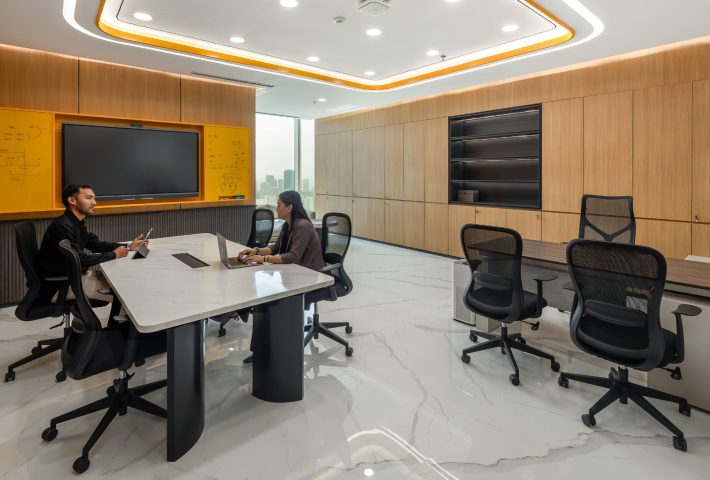
Modern businesses are beginning to realize that workplace performance is shaped not only by technology, management, or employee skills, but also by the office environment itself. That environment has a measurable influence on how people think, collaborate, and perform throughout the workday. While many organizations assume they need a complete office renovation to improve productivity, the reality is often much simpler.
A quiet office upgrade focuses on targeted improvements that reduce distractions, support employee well-being, and help people do their best work. Small design decisions can deliver significant results when planned strategically.
For businesses considering an office renovation in Singapore, creating a quieter, healthier workspace is becoming an essential investment rather than a luxury. Employees today expect an office that supports both physical and mental health while reflecting the company’s values and brand identity.
This guide shows how subtle workplace improvements can transform employee performance without requiring a complete redesign.
Why Quiet Offices Matter More Than Ever
The modern workplace looks vastly different from what it did just a decade ago. Open-plan offices, once celebrated for promoting collaboration and saving space, have become the norm. Yet many companies now realize that constant noise, disruptions, and a lack of privacy can hinder productivity.
Think about the everyday soundtrack of a typical workspace: conversations, ringing phones, printers churning, meetings in progress, and footsteps across shared areas. These sounds, while seemingly harmless, can pile up and erode the ability to focus deeply.
What starts as a small distraction quickly multiplies. Employees are repeatedly pulled away from their tasks, and every interruption adds minutes to the time it takes to get back on track. Over the course of a day, these lost moments add up, draining productivity and increasing frustration.
Recognizing this, a new approach to workplace design is emerging, one that balances collaboration and concentration. The most effective offices provide a range of environments: open spaces for teamwork and dedicated quiet zones for focused work. Supporting both needs helps employees do their best, no matter the task.
The Link Between Quiet Spaces and Employee Well-Being
Employee well-being is shaped by more than just ergonomic chairs or stylish décor. The environment itself has a powerful impact on stress, mental health, and work satisfaction.
Access to quiet spaces gives employees relief from the constant buzz of the office. In these zones, interruptions are minimized, allowing people to manage their tasks and schedules with greater autonomy. This sense of control is essential for both physical and mental health, helping reduce stress and prevent burnout.
Research repeatedly shows that distraction-free workplaces enable employees to tackle complex projects with greater accuracy and less anxiety. By offering a mix of quiet zones and collaborative areas, businesses can accommodate a range of working styles, fostering well-being and higher performance across the team.
Instead of a one-size-fits-all approach, organizations thrive when they create diverse environments that respect individual needs and promote a healthier, more productive workplace.
The Hidden Cost of Workplace Noise
Many organizations fail to recognize how much productivity is lost to excessive noise. Background conversations, ringing phones, and footsteps in busy corridors all compete for employees’ attention. Even minor, unexpected sounds can interrupt workflow and force people to shift their focus repeatedly.
When attention is constantly divided between tasks and distractions, deep work becomes nearly impossible. Employees end up spending more time regaining concentration and less time making meaningful progress. Over time, this leads to lower output, diminished work quality, and greater fatigue by day’s end.
Start with Smarter Space Planning
The foundation of a successful office renovation is thoughtful office interior design and space planning in Singapore. Instead of prioritizing aesthetics alone, businesses should observe how employees use different areas throughout the day. Some teams thrive in open layouts that encourage collaboration, while others need private, enclosed spaces for confidential meetings or tasks requiring deep concentration.
By analyzing daily workflows, designers can create workspaces that support productivity and collaboration without compromising either. A well-planned office strikes the right balance between open communication and the privacy employees need to do their best work.
Create Dedicated Quiet Zones
While not every employee requires silence all day, everyone benefits from having a quiet space available when deep concentration is needed. Quiet zones provide a refuge where employees can tackle analytical projects, write reports, prepare presentations, or simply recharge between meetings. To maximize their effectiveness, these areas should be clearly separated from collaborative spaces and away from high-traffic zones.
Establishing clear expectations for behavior helps maintain a focus-friendly environment. When employees see that certain spaces are thoughtfully designed for concentration, they quickly appreciate and use these resources, leading to better focus and improved performance.
Design Quiet Rooms for Deep Focus
Quiet rooms offer a higher level of privacy compared to open quiet zones, making them perfect for deep concentration, confidential conversations, and uninterrupted creative work. Unlike standard meeting rooms, these dedicated spaces are designed primarily for solo tasks and focused thinking.
For businesses with hybrid work models, quiet rooms are especially valuable. They allow employees to shift smoothly between collaborative group sessions and independent work, ensuring everyone has the environment they need to perform at their best.
Improve Noise Control with Acoustic Solutions
Controlling noise is one of the most effective ways to improve workplace comfort and productivity. The good news is that significant noise reduction does not require extensive renovations. Acoustic panels absorb sound reflections that would otherwise bounce around the office, while soft furnishings like fabric seating, area rugs, and upholstered wall finishes help dampen unwanted noise.
Incorporating sound-absorbing materials throughout the space reduces echoes and creates a calmer, more focused atmosphere. Glass partitions can further separate busy work zones, maintaining privacy without sacrificing natural light or openness. When these solutions are combined thoughtfully, they greatly lower ambient noise, making the office more comfortable and conducive to focused work.
Rethink Open Plan Offices
Open-plan offices can be highly effective when thoughtfully designed. Problems arise when all workplace activities happen within a single, shared environment. The key is creating distinct activity zones: collaborative spaces for teamwork, quiet areas for focused tasks, meeting rooms for group discussions, and phone booths to minimize call interruptions.
This balanced layout allows employees to choose the environment that best fits their current task, resulting in improved concentration, greater flexibility, and stronger overall performance.
Make Natural Light a Priority
Natural light is one of the most important features in any office, greatly enhancing energy, mood, and overall well-being. Employees who work in spaces filled with daylight often feel more alert, experience less fatigue, and report higher job satisfaction.
To maximize these benefits, office layouts should be designed to channel natural light as widely as possible. Glass partitions help distribute daylight deeper into the workspace, maintaining visual openness and connectivity. Good lighting design also reduces eye strain and increases comfort during extended computer use.
When natural light is limited, smart lighting systems can automatically adjust brightness and color temperature throughout the day, creating a healthier and more productive environment for everyone.
Support Better Health with Cleaner Air
Air quality is often overlooked during office renovation planning, yet it plays a critical role in employee health and performance. Poor ventilation can cause fatigue, headaches, and trouble concentrating. Introducing indoor plants enhances the office and helps purify the air, creating a more vibrant and healthier environment.
When paired with effective ventilation systems and natural materials, these strategies make the workplace feel fresher and more inviting. Biophilic elements such as greenery further help reduce stress and promote overall well-being, contributing to a more energized and resilient workforce.
Introduce Biophilic Design
Biophilic design aims to reconnect people with nature within the workplace, creating spaces that feel calm and inspiring. Incorporating natural materials like timber, stone textures, indoor plants, and organic patterns brings the outdoors in, softening the office environment and promoting a sense of relaxation.
These elements not only enhance aesthetics but also support creativity, focus, and overall well-being. As more businesses embrace biophilic design, they see improvements in both the appearance of their offices and employees’ daily experience.
Invest in Ergonomic Furniture
Comfort directly impacts productivity, especially for employees who spend long hours at their desks. Ergonomic furniture such as supportive chairs and adjustable desks promotes healthy posture and encourages regular movement throughout the day. Sit-stand desks give employees the flexibility to alternate between sitting and standing, which helps reduce fatigue and boost energy during extended work hours.
Investing in ergonomic solutions is more than just a design choice; it’s a clear sign that a company cares about employee health and well-being, not just aesthetics or convenience.
Choose Flexible Furniture
Today’s workplaces are constantly evolving as teams grow, projects shift, and departments adjust to new demands. Modular furniture offers the flexibility to adapt office layouts quickly and cost-effectively, without the need for major redesigns. Businesses can rearrange workspaces to suit a variety of activities, all while keeping the environment organized and efficient.
Flexible office solutions not only support current needs but also make it easier to accommodate future changes, ensuring the workplace remains functional and responsive over time.
Design Better Meeting Rooms
Meeting rooms should foster collaboration while minimizing disruptions to those working nearby. Strategically placed enclosed spaces ensure discussions stay contained and do not intrude on quiet work areas. Enhancing these rooms with acoustic panels, sound-absorbing materials, and appropriate lighting within a cohesive corporate interior design strategy not only elevates meeting quality but also helps maintain focus throughout the office.
Incorporating advanced technology makes it easy for teams to connect with remote colleagues during hybrid work, blending in-person and virtual collaboration. Thoughtful meeting room design ultimately boosts productivity and supports a positive workplace environment.
Create Smarter Collaborative Spaces
Collaboration is vital for driving innovation, but it should be purposeful not constant. The best workplaces strike a balance, offering both collaborative areas and quiet zones so employees can select the setting that fits their current work.
Designated collaborative spaces foster brainstorming, informal conversations, and teamwork without disturbing colleagues who are engaged in focused tasks. Equipping these areas with the right collaboration tools streamlines teamwork and minimizes unnecessary movement across the office.
By creating smarter collaborative spaces, organizations empower employees to work more efficiently and creatively while maintaining a harmonious office environment.
Use Technology to Support Productivity
Technology integration now goes far beyond basic computers. Smart booking systems make it easy for employees to reserve meeting rooms, while occupancy sensors help organizations make the most of available space. Adaptive lighting systems automatically adjust brightness and color throughout the day, and environmental monitoring tools keep track of air quality and comfort levels, all forming part of a holistic commercial interior design solution in Singapore.
By weaving these technologies into the workplace, businesses create an environment that quietly boosts productivity and enhances the overall employee experience.
Address Different Work Styles
Every employee has unique preferences about how they work best. Some excel in quiet environments, while others are energized by frequent interaction with colleagues. The most effective office layouts recognize and accommodate both approaches.
By offering a variety of options, such as collaborative spaces, quiet zones, enclosed rooms, and shared work areas, businesses create a flexible environment that meets diverse needs without sacrificing team cohesion. This adaptability empowers everyone to do their best work and fosters a stronger, more inclusive workplace culture.
Align Office Design with Company Culture
Office design does more than set the visual tone. It sends a clear message about a company’s values and priorities. Employees quickly recognize when leadership is genuinely committed to creating healthier, more supportive workplaces. At the same time, clients form lasting impressions when they encounter spaces that are organized, functional, and thoughtfully crafted.
A carefully planned office renovation not only reinforces company culture but also strengthens brand identity, building trust and loyalty among employees and visitors alike.
Attract and Retain Top Talent
Today’s top professionals place a high value on workplace quality when deciding where to work. A thoughtfully designed office signals a company’s commitment to employee well-being and satisfaction. Incorporating features such as flexible workspaces, ergonomic seating, natural elements, quiet rooms, and vibrant collaborative zones creates an environment people truly want to be in.
Such enhancements not only attract skilled talent but also boost long-term employee satisfaction and loyalty, giving businesses a competitive edge in retaining their best people.
Focus on Measurable Results
The benefits of upgrading to a quieter office environment go far beyond visual appeal. Companies that invest in reducing workplace noise often see meaningful gains: higher productivity, greater employee engagement, improved collaboration, fewer distractions, and better staff retention.
By supporting focused work, businesses create conditions where both employees and the organization thrive. Even small, thoughtful improvements can deliver measurable outcomes and drive lasting success.
Planning Your Office Renovation in Singapore
A successful office renovation in Singapore starts by understanding how employees truly work each day. Instead of simply following design trends, businesses should assess current challenges, workplace habits, and future growth plans. Tackling these concerns early in the renovation process helps avoid costly mistakes down the line.
Partnering with an experienced office design specialist ensures that every detail workflow, acoustics, lighting, flexibility, comfort, and long-term goals is thoughtfully considered before solutions are proposed. The end result is a workplace that delivers ongoing value and supports your organization for years to come.
The Best Office Upgrades Are Often the Quietest
Many businesses believe that transformation demands dramatic changes. In reality, the most impactful improvements are often subtle and understated: enhanced noise control, smarter layouts, ergonomic furniture, healthier air quality, increased natural light, dedicated quiet spaces, and flexible workplace design.
These thoughtful enhancements work together to create an office where employees feel supported, valued, and empowered to do their best work. The true purpose of a quiet office upgrade isn’t to make the environment silent; it’s to foster a space where people can think clearly, collaborate effectively, and achieve meaningful results.
Upgrade Your Workplace with IDI
If your business is planning an office renovation in Singapore, creating a quieter, more productive workplace should be a top priority. At IDI, we design office environments that balance collaboration, privacy, employee well-being, and business performance.
From strategic space planning and acoustic solutions to biophilic design, ergonomic furniture, and flexible workplace layouts, our team creates offices that support productivity while reflecting your brand identity and company values.
Contact IDI today to discover how thoughtful office design can transform your workplace into a healthier, quieter, and higher-performing environment for your team.

