

What Is Experiential Office Design? Turning Workplace Space Into Brand Strategy
August 20, 2026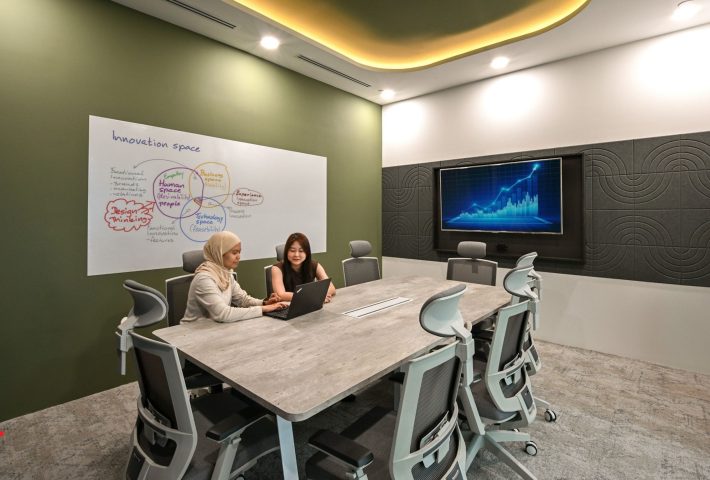
An office can look impressive and still say very little about the company behind it.
Beautiful furniture, polished finishes and stylish meeting rooms may create a good first impression, but experiential office design goes further. It considers what people should feel, understand and remember when they experience a workplace.
This shifts office design from a purely visual exercise into part of a wider brand strategy.
When done well, the physical workspace can communicate brand identity, reinforce company culture, support employees and create meaningful experiences for clients and visitors.
What Is Experiential Office Design?
Experiential office design is an approach to creating workplaces around how people experience a space, rather than simply how it looks.
It combines interior design, workplace strategy, brand expression, and environmental design to shape how employees and visitors interact with an organization.
The objective is not to fill an office with branding elements. It is to create environments where the company’s culture and the organization’s values can be understood through everyday experiences.
This can influence everything from the arrival experience and office layout to environmental graphics, collaborative zones, quiet spaces, natural elements, and technology.
Why Experiential Office Design Matters?
Work has changed significantly. Remote work and hybrid work have reduced the assumption that employees need to be physically present in the office every day.
This gives the workplace a different role.
The office now needs to provide experiences that are difficult to reproduce remotely. That may include spontaneous conversations, team collaboration, social connection, access to shared resources, and a stronger sense of belonging.
Experiential design helps organizations create workplaces that give people a reason to connect with the physical environment rather than viewing the office as simply somewhere to complete tasks.
From Office Design to Brand Experience
Traditional office design often starts with practical questions. How many desks are required? How many meeting rooms are needed? Where should different departments sit?
Those questions remain important, but experiential design thinking introduces another layer.
How should employees feel when they enter the workplace? What should visitors understand about the company? What behaviors should the environment encourage?
Answering these questions turns the office into part of the brand experience.
The physical space begins communicating something about the organization before anyone explains the brand verbally.
Translating Brand Identity Into Physical Space
Brand identity often shows up in websites, campaigns, packaging, and graphic design. The workplace provides another opportunity for brand expression.
This does not mean applying brand colors to every wall.
A stronger approach begins with a deep understanding of the company’s culture, purpose and brand guidelines. Designers can then determine which design elements genuinely represent those qualities.
A brand built around innovation might benefit from adaptable collaborative spaces and visible technology integration. A company focused on trust and expertise may need a more refined, composed work environment.
The same approach will not work for every organization because every brand should create a different experience.
Environmental Graphics Can Tell a Bigger Story
Environmental graphics can connect communication, graphic design and architecture within the workplace.
They may include typography, illustrations, wayfinding, company milestones, digital content, art curation or visual storytelling.
Used strategically, these elements can communicate the organization’s values without making the office environment feel like an advertisement.
They can also help employees and visitors understand the company’s history, achievements, or ambitions.
The goal should be storytelling, not decoration.
Designing for Emotion, Not Just Appearance
People rarely remember every chair, material, or wall finish they encounter. They are more likely to remember how a place made them feel.
This is why emotion plays a crucial role in experiential office design.
A bright collaborative area might create energy. A quiet space with natural light could create calm. An impressive reception may communicate confidence and professionalism.
Different environments can evoke emotion in different ways.
When these feelings align with the brand image, the workplace creates a stronger emotional connection between people and the organization.
Employee Experience Should Shape Workplace Design
A workplace cannot deliver a convincing brand experience if it is designed primarily for visitors while ignoring the employees who use it every day.
Employee experience should be central to workplace projects.
Design should consider how employees focus, communicate, collaborate, recharge, and move between activities.
This means creating spaces that support multiple working styles rather than assuming every employee needs the same environment throughout the day.
A thoughtful workplace experience can make it easier for employees to choose spaces based on what they need to accomplish.
Balancing Focus and Collaboration
Collaboration is frequently treated as the answer to modern workplace design. Open areas, communal tables and informal meeting spaces appear in offices across many industries.
But more collaboration is not automatically better.
Employees also need environments for focused work, confidential conversations and tasks requiring concentration.
Effective workplace design therefore balances collaborative zones with quiet spaces.
A meeting room may support structured discussions, while informal collaborative spaces encourage spontaneous interaction. Focus areas provide another environment when employees need fewer distractions.
Providing this variety gives people greater control over how they work.
Supporting Well-Being Through the Physical Environment
Well-being should not be treated as a decorative addition to office design.
Natural light, comfortable furniture, acoustic control, greenery and access to quieter environments can influence how employees experience the workplace throughout the day.
Biophilic design can introduce plants, natural materials and other natural elements into office spaces to create a stronger connection with nature.
These choices should be integrated into the wider design strategy rather than added at the end of a project.
When employees feel comfortable within their surroundings, the physical workspace is better positioned to support positive feelings and everyday performance.
Creating a Stronger Sense of Belonging
Experiential design can also help employees understand how they fit into the wider organization.
Shared spaces, storytelling elements, and environments that reflect the company’s culture can strengthen the sense that employees are part of something larger than their individual roles.
This becomes particularly relevant as organizations adopt hybrid work.
When employees spend fewer days in the office, the quality of those physical interactions matters more. The workplace can become a place to build relationships, share ideas, and reconnect with culture.
Design alone can’t manufacture a sense of belonging, but the environment can support it.
Can Experiential Design Improve Employee Engagement?
Employee engagement depends on far more than the office. Leadership, career opportunities, recognition, and management remain critical.
Office design should therefore never be presented as a shortcut to employee engagement.
It can remove friction and create conditions that better support how people work.
When employees have access to suitable spaces for focus, collaboration, conversation and recovery, the workplace can contribute positively to their overall employee experience.
That makes experiential office design one part of a much broader workplace strategy.
Workplace Experience Can Influence Talent Attraction
The physical office can also influence how potential employees perceive a company.
Candidates visiting an office observe more than the reception area. They notice how employees interact, how spaces are used, and whether the environment matches what the organization says about its culture.
This can matter when competing for top talent.
A company that promotes innovation but operates from a rigid, disconnected workplace may send conflicting signals. A workplace aligned with the brand creates a more consistent impression.
The office becomes evidence of the culture, not just a description of it.
Creating Immersive Experiences Without Overdesigning
Experiential design does not mean every part of the workplace needs to demand attention.
Too many visual features, messages, colors, and interactive elements can make an environment feel forced.
The strongest immersive experiences often come from consistency.
Materials, lighting, environmental graphics, technology, furniture and spatial planning should work together to communicate a clear idea.
Some areas can make stronger statements while others remain deliberately simple.
This balance allows the brand’s presence to be felt without overwhelming the people using the space.
Experiential Design Is Not Just a Trend
It’s easy to dismiss experiential office design as a trend driven by changing workplace expectations.
The underlying principle, however, is much more practical.
Organizations invest significantly in their workplaces. Those spaces should therefore accomplish more than providing desks and meeting rooms.
They should support people, communicate culture, and create an environment appropriate to the organization, aligning with thoughtful corporate interior design.
As hybrid work continues to influence how companies use office spaces, designing around meaningful experiences becomes increasingly relevant.
Turning Workplace Strategy Into Design Solutions
Successful experiential office design should begin before selecting finishes and furniture.
Workplace strategy helps identify how employees currently work, what challenges exist, and what the organization wants its future workplace to achieve.
Design solutions can then respond to those findings.
One organization may need more collaborative spaces. Another may discover that employees lack suitable areas for focused work. Others may need a workplace that better communicates their brand identity to clients and new employees.
Starting with strategy prevents design decisions from being based purely on appearance.
How Experiential Office Design Creates a Lasting Impression
A memorable workplace does not need to be extravagant.
It needs to feel intentional.
When workplace design reflects the brand, supports employees and creates a coherent journey through the physical space, people are more likely to understand what the organization represents.
For employees, that can mean a workplace that feels connected to their everyday needs and the company’s culture.
For clients and visitors, it can create a lasting impression that strengthens their perception of the brand.
Turning Your Office Into Part of Your Brand Strategy
Experiential office design changes the question from “What should our office look like?” to “What should people experience when they are here?”
That distinction matters.
A successful workplace combines functionality, brand identity, employee experience, and emotional connection rather than treating them as separate considerations.
For organizations reconsidering their workplace in response to hybrid work, changing employee expectations or a wider brand transformation, the physical environment can play a critical role.
At ID Integrated, we approach workplace design and build as more than creating attractive office spaces. We consider how people work, how organizations communicate their identity, and how the physical workspace can bring those ideas together.
The result should not simply be a better-looking office. It should be a workplace that gives employees and visitors a clearer sense of who the organization is, what it values, and what it stands for.

